
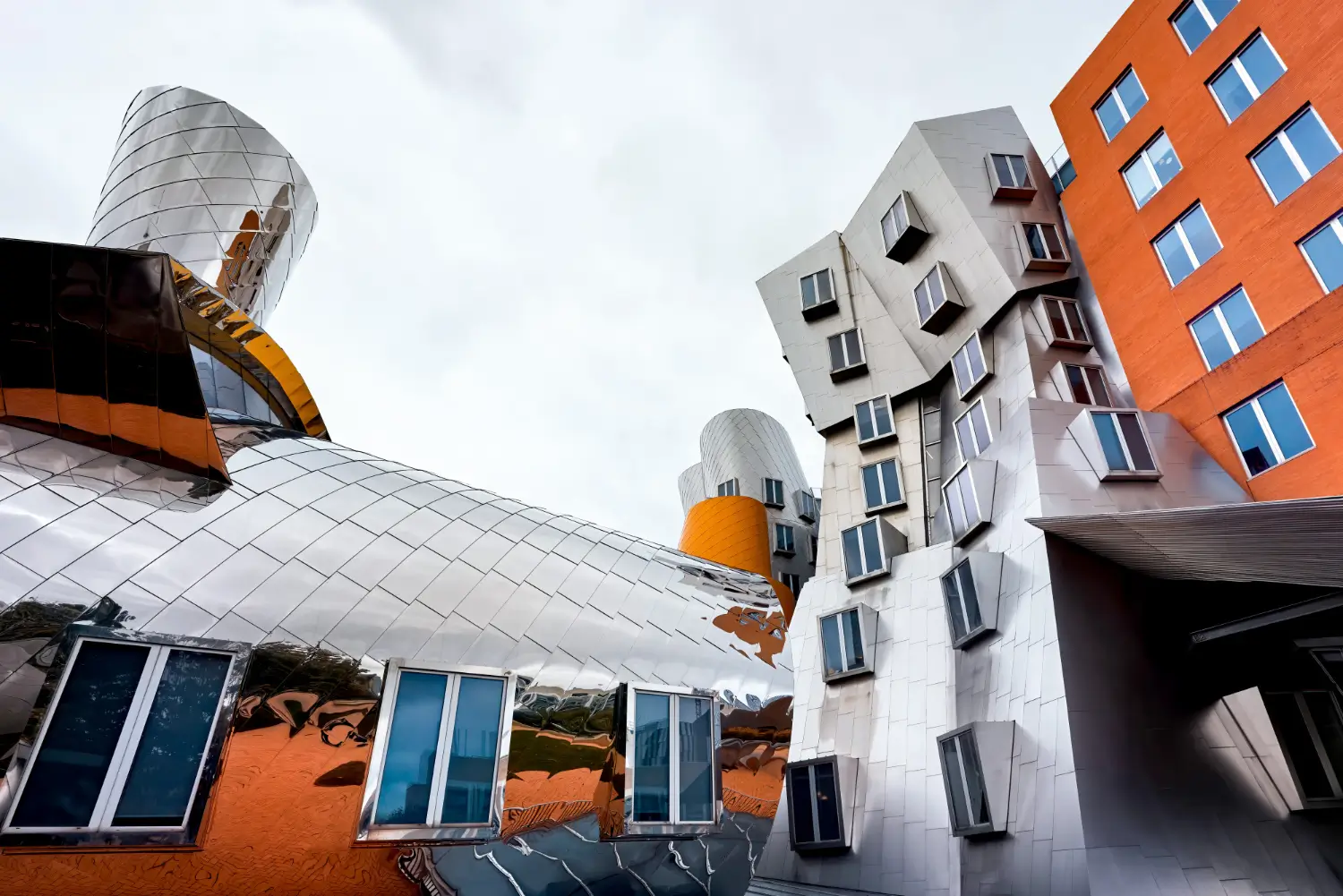
Helsinki’s Design District represents one of Europe’s most concentrated celebrations of creative excellence, where Finnish design heritage meets contemporary innovation across 25 streets and over 200 destinations. This carefully curated neighborhood transforms everyday shopping into cultural exploration, offering visitors intimate access to the studios, galleries, and boutiques that have established Finland as a global design powerhouse.
Unlike commercial design centers found in other capitals, Helsinki’s Design District maintains an authentic neighborhood character where working designers share space with established brands and emerging talents showcase alongside iconic Finnish names. The district sprawls organically through the Punavuori, Kaartinkaupunki, and Kamppi areas, creating a walkable journey through a century of Nordic design philosophy that values functionality, sustainability, and understated beauty.
Why Design District Helsinki Captivates Creative Travelers
Finnish design occupies a unique position in the global creative landscape. The philosophy emerging from this Nordic nation prioritizes objects that improve daily life through thoughtful functionality rather than mere aesthetic appeal. This approach, born from harsh winters that demanded practical solutions and limited resources that required efficient design, continues shaping contemporary Finnish creativity in ways that feel increasingly relevant to sustainability-conscious consumers worldwide.
The Design District concentrates this creative energy into an accessible format perfect for visitors. Rather than scattering design destinations across a sprawling capital, Helsinki has cultivated a neighborhood where creative businesses cluster together, creating synergies that benefit both designers and visitors. A morning walk might progress from a historic ceramics studio to a cutting-edge furniture showroom to an independent jewelry designer’s workshop, each stop revealing different facets of the Finnish design tradition.
Accessibility distinguishes this district from exclusive design destinations elsewhere. Many studios welcome visitors to watch artisans at work, and designers frequently staff their own shops, enabling genuine conversations about creative processes and design philosophies. This transparency reflects the democratic values underlying Finnish society, where design is considered a public good rather than an elite luxury.
Essential Destinations for Design Enthusiasts
Design Museum and Design Forum Finland
The Design Museum serves as the intellectual anchor of the district, housing permanent collections that trace Finnish design from traditional crafts through industrial modernism to contemporary digital innovation. Rotating exhibitions explore current themes and emerging talents, while the museum’s research facilities attract scholars studying Nordic design history. The building itself, a neo-Gothic former school dating from 1895, demonstrates how Helsinki repurposes historic architecture for contemporary cultural use.
Nearby, Design Forum Finland operates as a showcase for current Finnish design, presenting curated exhibitions that change regularly and highlight both established names and promising newcomers. The ground-floor shop offers one of the city’s finest selections of Finnish design objects, from affordable everyday items to significant investment pieces. Staff members provide knowledgeable guidance for visitors seeking specific items or exploring Finnish design for the first time.
Iconic Finnish Brands: Marimekko, Iittala, and Arabia
Marimekko’s flagship store on Pohjoisesplanadi embodies the bold, colorful aesthetic that revolutionized Finnish textiles in the 1960s. The brand’s distinctive prints, from the iconic Unikko poppy pattern to contemporary geometric designs, cover everything from clothing to home textiles in a space that feels more like a design exhibition than a retail store. Visitors can explore the full range of current collections while learning about the artists behind signature patterns.
Iittala represents Finnish glass design at its finest, with roots extending back to 1881. The brand’s flagship space showcases timeless classics by Alvar Aalto alongside contemporary collections, demonstrating how Finnish design evolves while honoring its heritage. Arabia ceramics, now part of the Iittala family, contributes tableware that graces Finnish homes across generations. Together, these brands illustrate the Finnish preference for enduring quality over disposable fashion.
Independent Studios and Emerging Designers
Beyond the famous names, the Design District thrives through dozens of independent studios where visitors encounter Finnish creativity in its most personal forms. Jewelry designers craft pieces combining traditional metalworking techniques with contemporary aesthetics. Textile artists produce limited-edition fabrics using sustainable materials and ethical production methods. Furniture makers create bespoke pieces that balance Scandinavian minimalism with individual artistic expression.
Streets like Fredrikinkatu and Uudenmaankatu concentrate particularly dense clusters of independent design shops. These smaller establishments often specialize in specific disciplines or curate selections from multiple designers, creating gallery-like experiences focused on particular aesthetic sensibilities. Prices range from accessible souvenirs to significant art investments, ensuring every visitor finds objects matching their interests and budgets.
Architectural Heritage and Contemporary Innovation
The Design District’s architectural fabric contributes significantly to its appeal. Buildings spanning from Art Nouveau masterpieces to functionalist landmarks to contemporary insertions create a visual timeline of Finnish architectural evolution. Jugendstil apartment blocks with elaborate decorative facades stand alongside clean-lined modernist structures, demonstrating how each generation of Finnish architects responded to prevailing ideas while maintaining distinctive national character.
Alvar Aalto’s influence permeates Finnish design culture, and several buildings within or near the district showcase his humanistic approach to modernism. His Academic Bookstore on Keskuskatu demonstrates how thoughtful design enhances everyday activities, with its famous skylight flooding the interior with natural light. Visitors interested in Aalto can extend their exploration to his studio house in nearby Munkkiniemi, now a museum offering intimate insight into his creative process.
Contemporary architecture continues the Finnish tradition of innovation. The recently completed Oodi Central Library, though slightly outside the traditional district boundaries, represents current Finnish architectural thinking at its most ambitious. This spectacular public building demonstrates how Finland continues investing in architecture that serves democratic values, providing world-class facilities accessible to all citizens and visitors.
Design District Highlights at a Glance
Destination | Category | Best For | Highlights |
|---|---|---|---|
Design Museum | Museum | History lovers | Finnish design evolution, rotating exhibitions |
Marimekko Flagship | Brand Store | Fashion seekers | Iconic prints, textiles, fashion collections |
Iittala & Arabia | Brand Store | Collectors | Aalto vases, glassware, ceramics |
Artek | Furniture | Interior designers | Aalto furniture, modernist classics |
Design Forum | Gallery/Shop | Gift shoppers | Curated Finnish design, emerging talent |
Fredrikinkatu Studios | Independent | Art hunters | Jewelry, ceramics, unique handmade pieces |
Oodi Library | Architecture | Architecture fans | Contemporary Finnish architecture, public space |
Practical Tips for Exploring the Design District
The Design District rewards unhurried exploration on foot. Allow at least a full day to properly experience the area, though design enthusiasts could easily spend several days delving deeper into specific interests. Pick up the free Design District map from any member establishment, which identifies all participating venues and suggests themed walking routes focusing on particular design disciplines or neighborhood sections.
Timing affects your experience significantly. Many smaller studios maintain limited hours, typically opening late morning and closing by early evening, with some closing entirely on Sundays and Mondays. The annual Helsinki Design Week in September transforms the district into a festival atmosphere with special exhibitions, open studios, and events throughout the neighborhood. Summer brings extended hours and outdoor markets, while winter offers cozy cafe culture and dramatic lighting that enhances window displays.
Budget considerations span the full spectrum. Window shopping costs nothing, and several galleries and museums offer free admission days. Affordable souvenirs from Finnish designers start around twenty euros, while serious collectors can invest thousands in furniture classics or original artworks. Many shops offer tax-free shopping for non-EU visitors, and shipping services help transport larger purchases home safely.
Design-Forward Cafes and Cultural Spaces
Finnish coffee culture provides natural pauses during Design District exploration. Helsinki consistently ranks among the world’s highest per-capita coffee consumers, and the district’s cafes reflect this national passion with exceptional brews served in carefully designed spaces. Establishments like Kaffa Roastery and Good Life Coffee demonstrate how Finnish attention to design extends to everyday experiences, where even coffee cups and interior details receive thoughtful consideration.
Several cafes double as design showcases or galleries, blurring lines between commerce and culture in characteristically Finnish fashion. These hybrid spaces allow visitors to experience design objects in use rather than merely on display, understanding how Finnish design integrates into daily life. The ritual of pausing for coffee also provides opportunity to absorb impressions and plan the next phase of exploration.
Staying Connected While Exploring Nordic Design
WorldMobile’s unlimited eSIM plans keep you seamlessly connected throughout your Helsinki design exploration. Reliable mobile data enhances Design District discovery, enabling instant access to designer information, navigation between scattered studios, and sharing your Finnish design finds with friends and followers worldwide.
WorldMobile offers unlimited eSIM plans for Finland starting from $9.90 for 3 days, with options extending to 7 days ($19.90), 14 days ($29.90), and 21 days ($39.90). These plans deliver high-speed 5G/4G data without caps or throttling, eliminating roaming charges and the inconvenience of purchasing local SIM cards. The eSIM activates instantly upon arrival, providing immediate connectivity from Helsinki-Vantaa Airport through every corner of the Design District.
Constant connectivity proves invaluable for design-focused travel. Research designer backgrounds while standing in their studios, compare prices across shops, and document your discoveries through photos and videos shared in real-time. Translation apps help navigate Finnish-language signage, while maps guide you between the district’s 200-plus destinations. WorldMobile’s eSIM covers Finland plus 120 additional destinations with five-year validity, perfect for travelers planning extended Nordic design itineraries across Scandinavia.
Bringing Nordic Design Philosophy Home
The Design District Helsinki offers more than shopping opportunities; it provides immersion in a design philosophy that has shaped Nordic culture for generations. Finnish design principles of functionality, sustainability, and democratic accessibility resonate increasingly with global consumers seeking alternatives to disposable fashion and planned obsolescence. Objects purchased here arrive with stories and contexts that mass-produced alternatives cannot provide.
Beyond physical souvenirs, visitors carry home inspiration that influences their own relationships with designed objects. The Finnish approach demonstrates how thoughtful design enhances daily life, how quality materials and construction create objects meant to last generations, and how beauty emerges from function rather than decoration. These lessons persist long after returning home, shaping future purchasing decisions and aesthetic preferences.
Helsinki’s Design District represents Finnish creativity at its most accessible, concentrating a century of design excellence into walkable streets where visitors engage directly with the people and places producing tomorrow’s classics. Whether seeking specific treasures or simply absorbing Nordic aesthetic inspiration, this remarkable neighborhood rewards exploration with experiences and objects that embody the enduring appeal of Finnish design.